Clinical leadership in emerging therapy

Advancing the standard of AMD care.

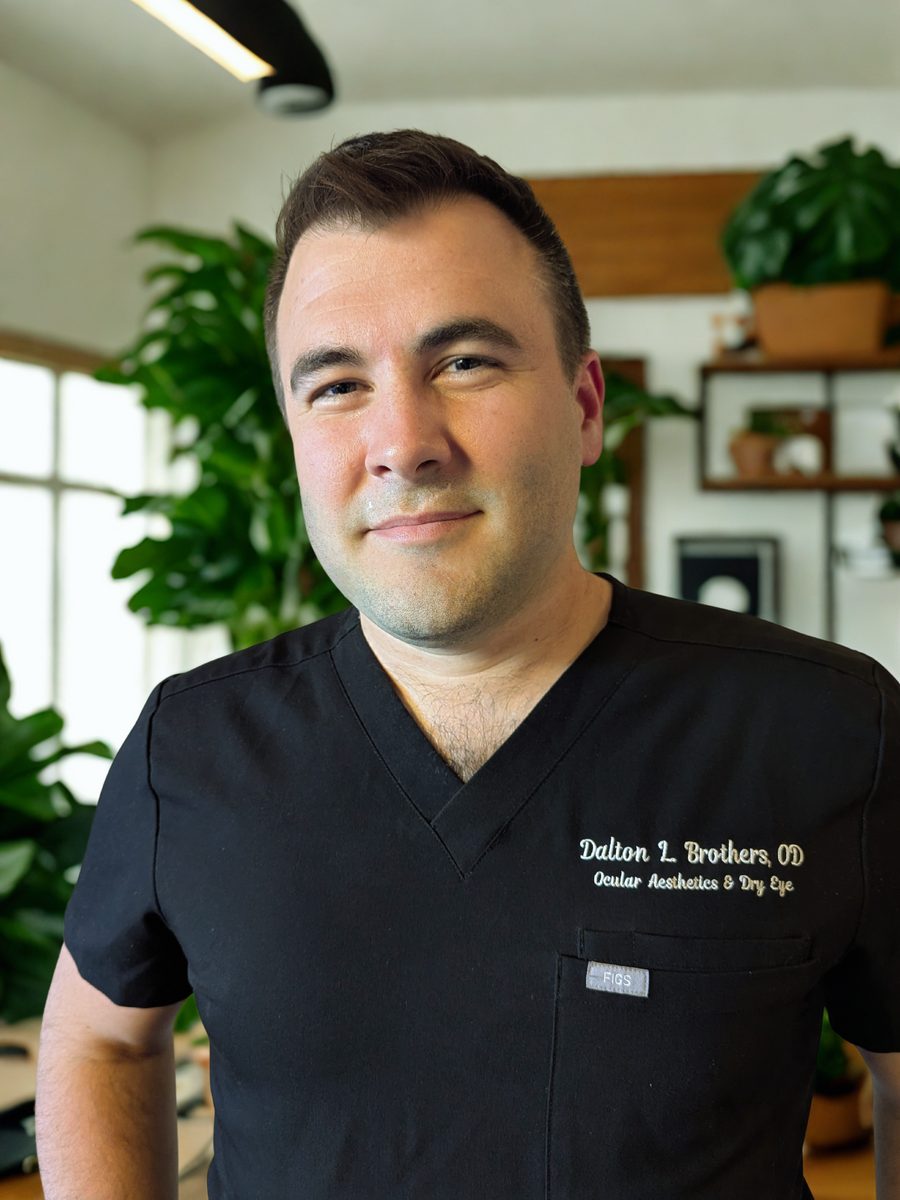
Dr. Dalton Brothers is emerging as a national clinical voice on how photobiomodulation may support mitochondrial function, reduce oxidative stress and influence inflammatory signaling in AMD.

Dr. Dalton Brothers, O.D.

Dr. Dalton Brothers, O.D.

Founder · Clinician · Educator

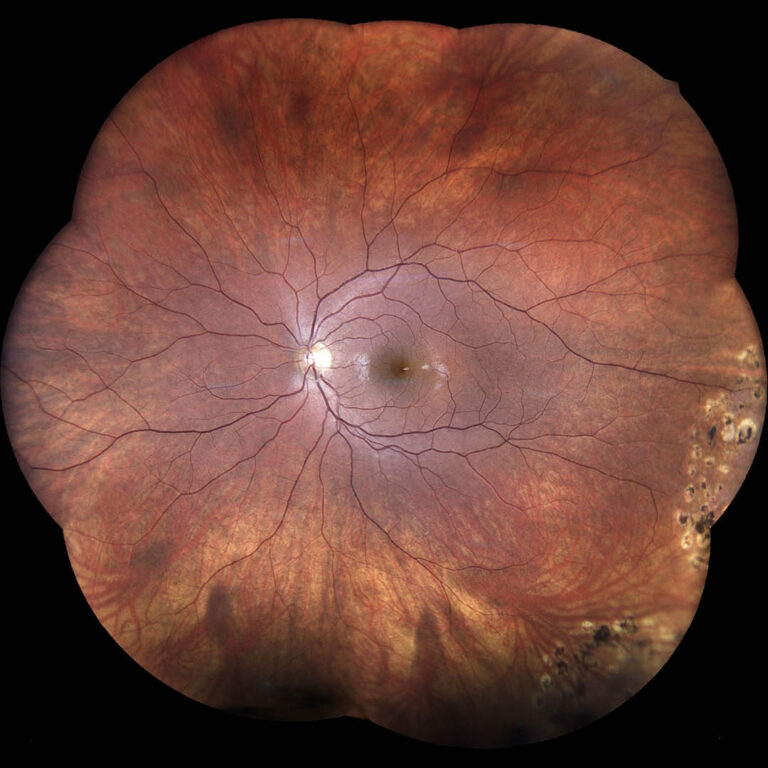
Ultra-wide retinal imaging used in AMD assessment

Clinical focus

Retinal outcomes

Institute perspective

Mechanism to evidence. Evidence to patient care.

What the training covers

Photobiomodulation in Practice: the full training

The full clinical training, in the order Dr. Brothers teaches it: how the therapy works, how to select and stage patients, how to run the protocol, and how to build it into an owner operated practice.

  • A longitudinal dry AMD case
  • Full-face treatment planning
  • Sleep, environment and lifestyle
  • Objective testing
  • Staff and scheduling
See the subjects covered

The archive

Every attended session stays available.

Original video, session-specific chapters and a searchable transcript.

Therapeutic framework

Three modalities.
One clinical pathway.

Tissue target, biological mechanism, patient selection, objective imaging and evidence, never a product demonstration.

Explore technologies

PBM / LLLT

Photobiomodulation (Low-Level Light Therapy)

Photobiomodulation, also called low-level light therapy or LLLT, delivers non-thermal visible and near-infrared light to metabolically stressed retinal and periocular tissue. The name brings together research previously described as red light therapy, low-level laser irradiation and LLLT.

IPL

Intense Pulsed Light

Broadband, filtered light applied to the periocular skin and lid margin to address the vascular and inflammatory drivers of meibomian gland dysfunction.

RF

Radiofrequency

Controlled thermal energy delivered to periocular tissue, used alongside IPL where deeper and more uniform heating of the gland is required.

Clinical scope

From retina to ocular surface.

View conditions and clinical evidence
01

Dry Age-Related Macular Degeneration

Intermediate disease

Until recently the honest answer to the dry AMD question was supplements and observation. Recently published trials changed that: 51% of treated patients gained at least one line over two years, with measurable drusen reduction - and, for the first time, no geographic atrophy forming beneath resolving drusen.

02

Geographic Atrophy

Managed conservatively

Lesions can appear to grow early in treatment, but the expansion rate slows markedly against untreated progression. The target is the inflammation at the border between atrophied and healthy tissue, where complement cascade activity drives lesion growth.

03

Evaporative Dry Eye

Restaged at every entry point

Evaporative, aqueous-deficient and mixed presentations do not respond to the same sequence. Restaging first is what makes device outcomes reproducible - and photobiomodulation now covers the presentations IPL physically cannot reach.

04

Meibomian Gland Dysfunction

Obstructive and inflammatory subtypes

Gland structure, not symptom score, determines how much recovery is realistic. Set that expectation before the first treatment.

05

Ocular Rosacea and Lid Margin Disease

Chronic, relapsing

Lid margin vasculature is the target. Patients need a maintenance plan, not a one-time course.

06

Amblyopia

Beyond the traditional critical period

A 2012 German study reported improvement in 90% of treated amblyopic eyes, with half gaining three or more lines - well past the classic critical period. Dr. Brothers has replicated the pattern, including a 17-year-old moving from 20/100 to 20/40 and then 20/25 across treatment cycles.

07

Myopia Control

Progressive myopia

Repeated red light therapy outperformed diluted atropine and orthokeratology on axial-length change in comparative trials - making it one of the more compelling options in the myopia control conversation.

Teaching drawn from real clinics.

Every point below comes from working through these therapies with practicing doctors, not from a brochure.

Ask about your clinic
01

Training highlight · From a dry AMD session

For early or intermediate macular degeneration, the treatment cycle moves from weekly sessions into monthly maintenance, with repeat imaging used to monitor response and guide the next phase.

02

Training highlight · From an ocular surface session

Different wavelengths serve different purposes: blue light targets surface bacteria, while red and near-infrared light reach deeper tissue and provide heat that can support meibomian gland expression.

03

Training highlight · From a practice-building session

When discussing a cash-pay therapy, introduce the price early and clearly so the patient can evaluate the option without anxiety about an unknown cost.

Get in touch

Let's talk about implementing this in your clinic

Tell us what you already offer and what you want to add. Dr. Brothers and the institute team will come back to you with a practical next step.